Deadhaus Sonata arrives in 2026 carrying the heavy burden of its pedigree. Developed by Denis Dyack and Apocalypse Studios, it is explicitly marketed as a spiritual successor to gothic classics like Legacy of Kain and Eternal Darkness. However, after nearly a decade of development and a shift into Early Access, the PC version currently feels less like a modern revival and more like a relic unearthed from the early 2000s—for better and, mostly, for worse.
Developer: Apocalypse Studios
Publisher: Apocalypse Studios
Release Date: 2026
CPU: Intel Core i5 / AMD Equivalent
GPU: Geforce GTX 1060 / AMD Equivalent
RAM: 12 GB
HDD: 32 GB
Review Code Provided
A World of Gothic Ambition
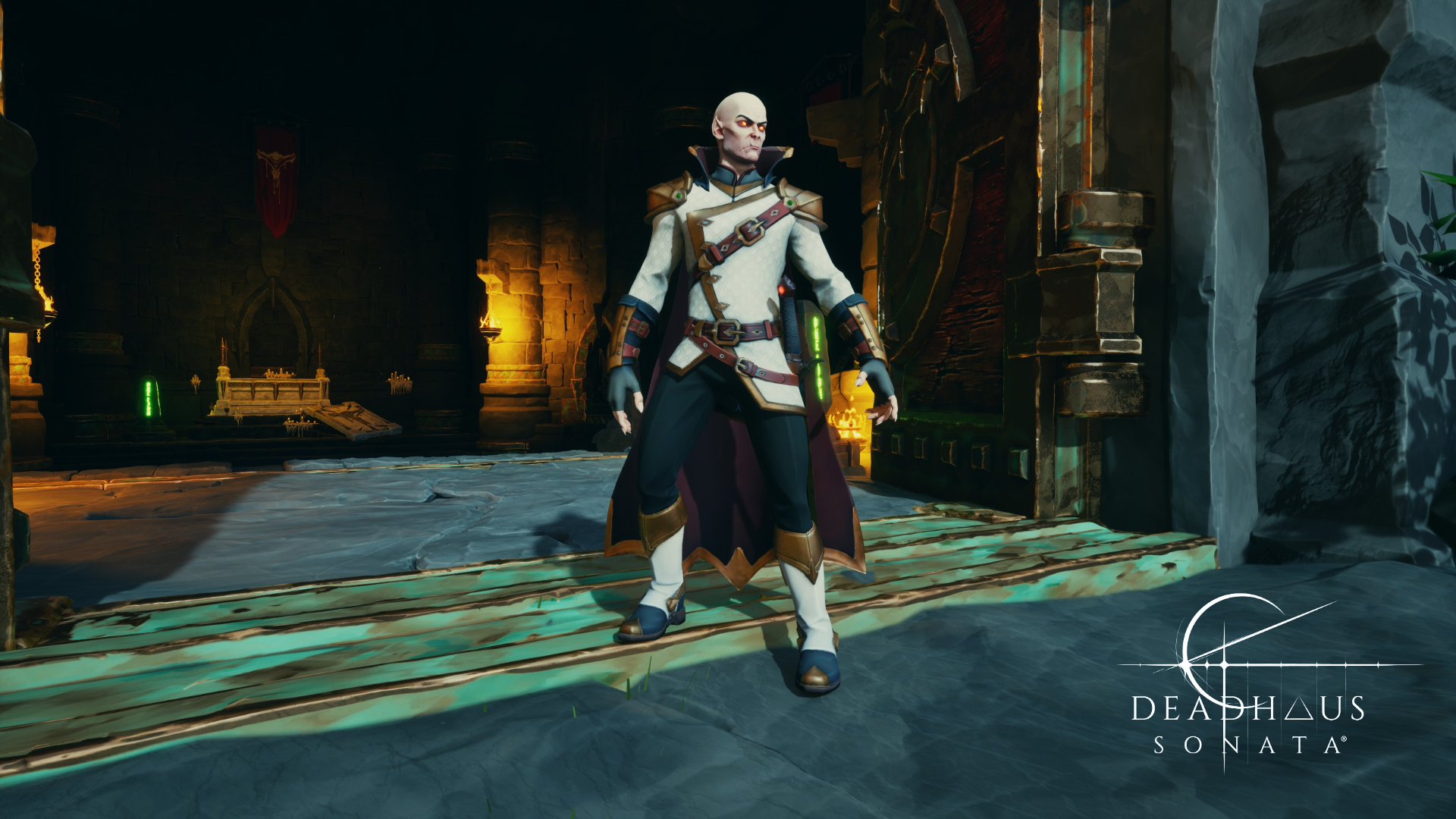
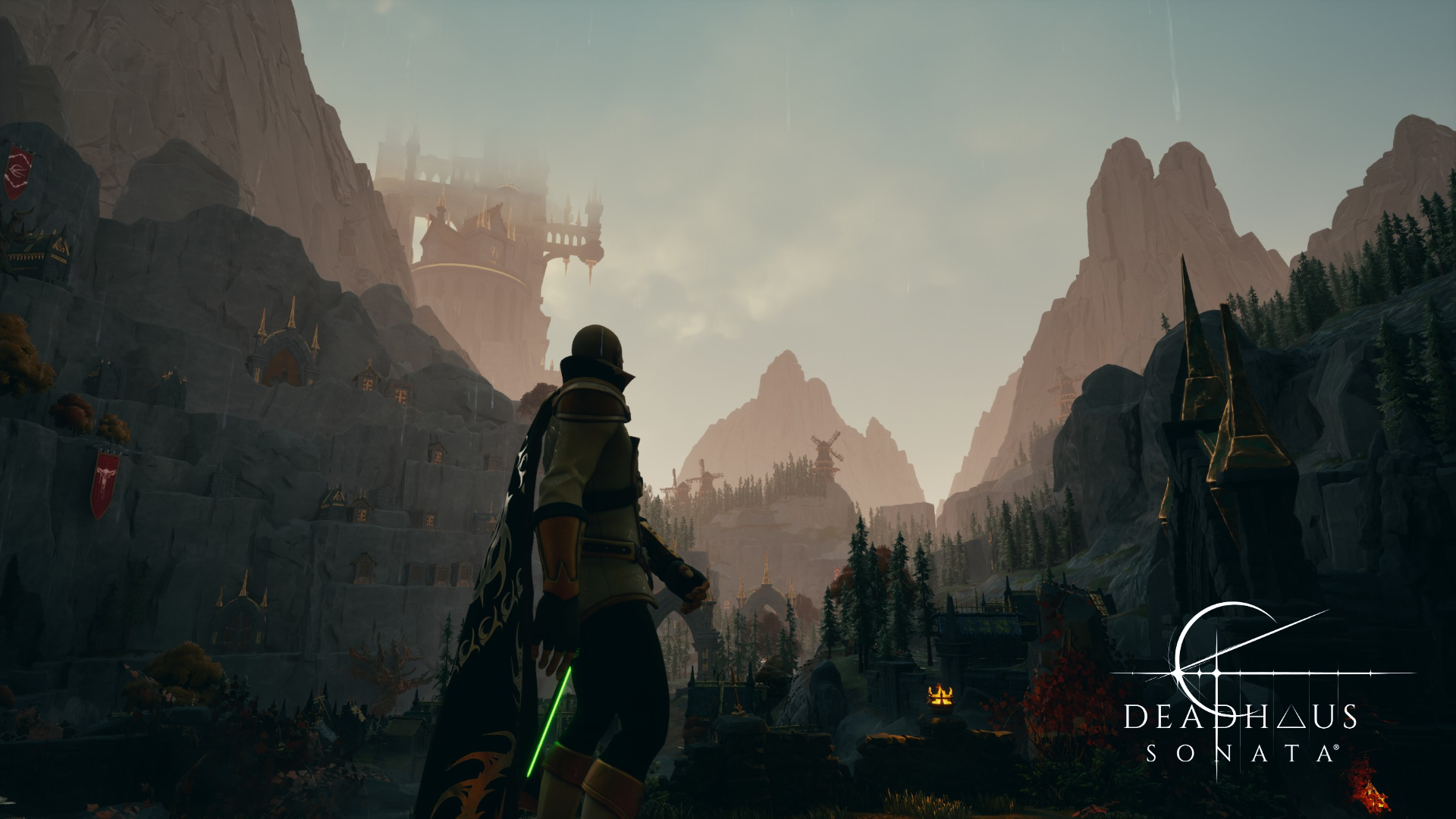
The strongest hook of Deadhaus Sonata is its unapologetic embrace of Dark Fantasy. You play as an Abomination—specifically a Vampire in the current build waging war against the living. The lore is dense, delivered through gravelly, evocative narration that instantly recalls the Shakespearean weight of Nosgoth. The world of Nogosaua is dripping with Lovecraftian dread, and the concept of The Celestial Clock—a real-time system that influences world events and weather shows a level of narrative ambition rarely seen in the ARPG genre.
The Technical Divide
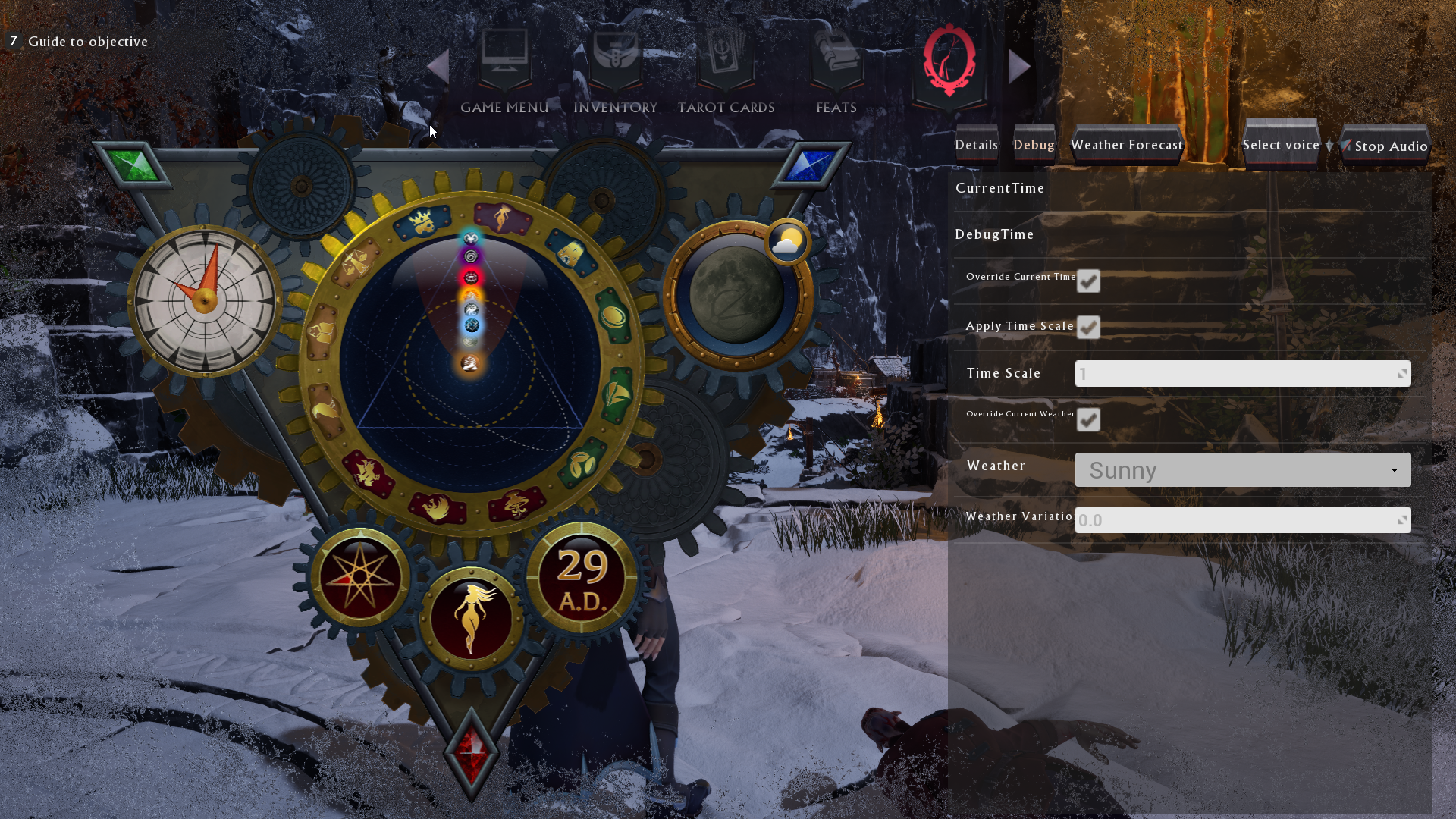
Unfortunately, the technical execution struggles to match the vision. Visually, the game is a bizarre contradiction. While it features modern bells and whistles like ray tracing, the actual character models and environmental textures often look dated, reminiscent of the late PS2 or early PS3 era.
Perhaps more controversial is the developer’s transparent use of generative AI for UI elements and assets. While the studio leans into this as a revolution in content creation, the results are mixed; the Tarot Card art, intended to be a central mechanic, often features the anatomical uncanny valley glitches typical of current AI generation, which can pull players out of the immersion.
Combat and Mechanics
At its core, Deadhaus Sonata is an action RPG, but the “action” part needs significant polish:
- The Clunk Factor: Combat currently feels stiff. Hit detection is floaty, and animations lack the “heaviness” required for a brutal power fantasy.
- The Tarot System: Replacing traditional skill trees with a Tarot-based ability system is a clever idea. Mixing Major and Minor Arcana to customize your Vampire’s powers (like the gravity-defying “Exsanguinate”) provides the game’s most satisfying moments.
- Exploration: The procedural generation of dungeons ensures variety, but the lack of a robust mini-map or clear objective markers makes navigating dark catacombs more frustrating than atmospheric.
Final Thoughts
Deadhaus Sonata is a diamond in the extremely rough. It is a game built on fascinating systems—like deterministic loot and community-driven storytelling tools—that are currently buried under Early Access issues.If you are a die-hard fan of Dyack’s previous work and crave a deep, dark narrative, there is a foundation here worth supporting.