Neon Aesthetic & Talking Blades
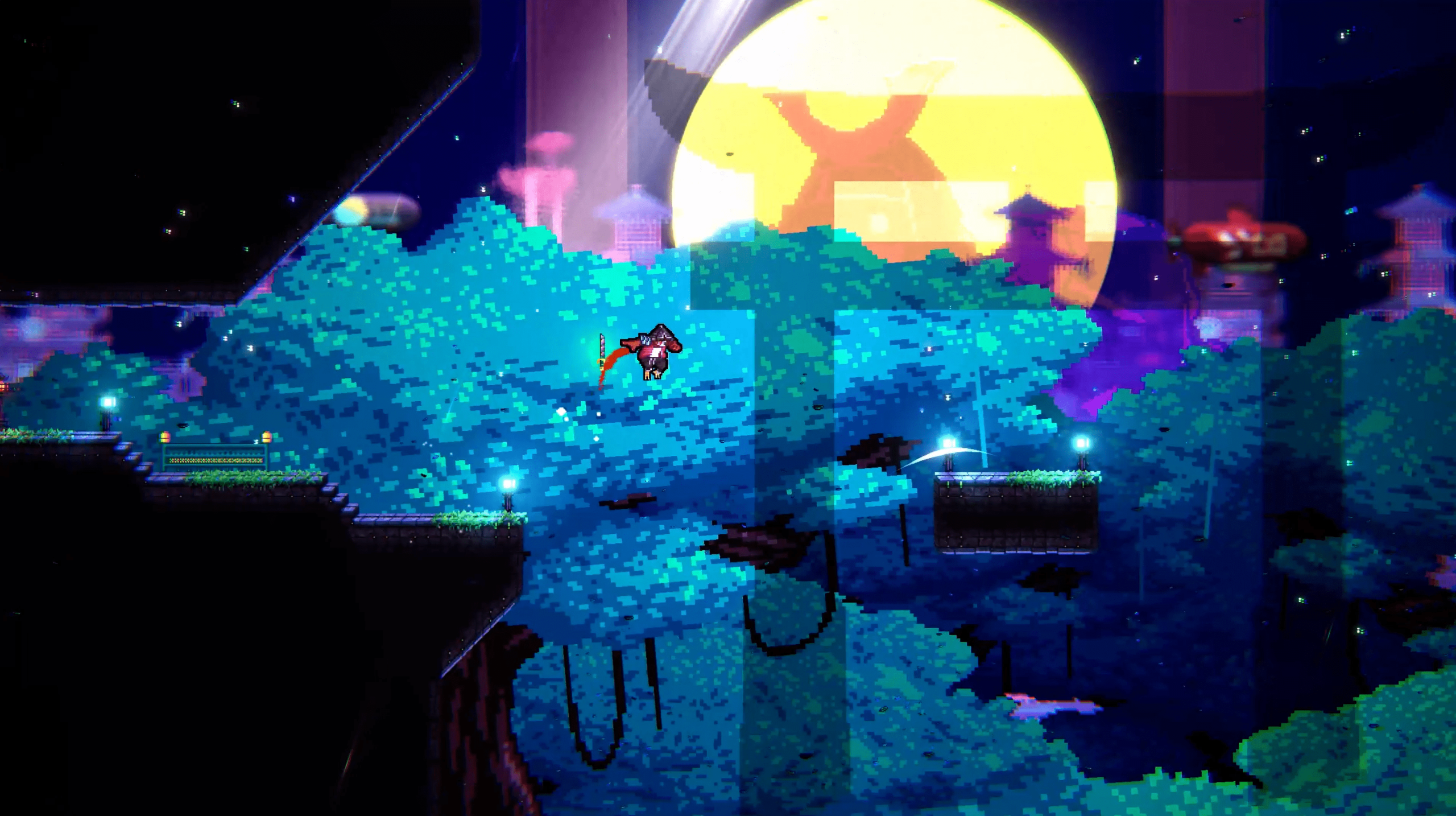
Visually, Atomic Owl is a triumph of modern pixel art. The world of Judanest bursts with gorgeous cyberpunk landscapes, blending traditional feudal Japanese themes with high-contrast, glowing neon tones. This retro-futuristic atmosphere is amplified by a spectacular chiptune and synthwave soundtrack that sets an energetic pulse for the gameplay.
The narrative setup is equally charming. Hidalgo is paired with a chaotic, brash-talking demonic sword that serves as his guide and primary weapon. Right from the opening act, the game refreshingly trusts the player with a diverse arsenal.
Flawed Roguelite Rhythms
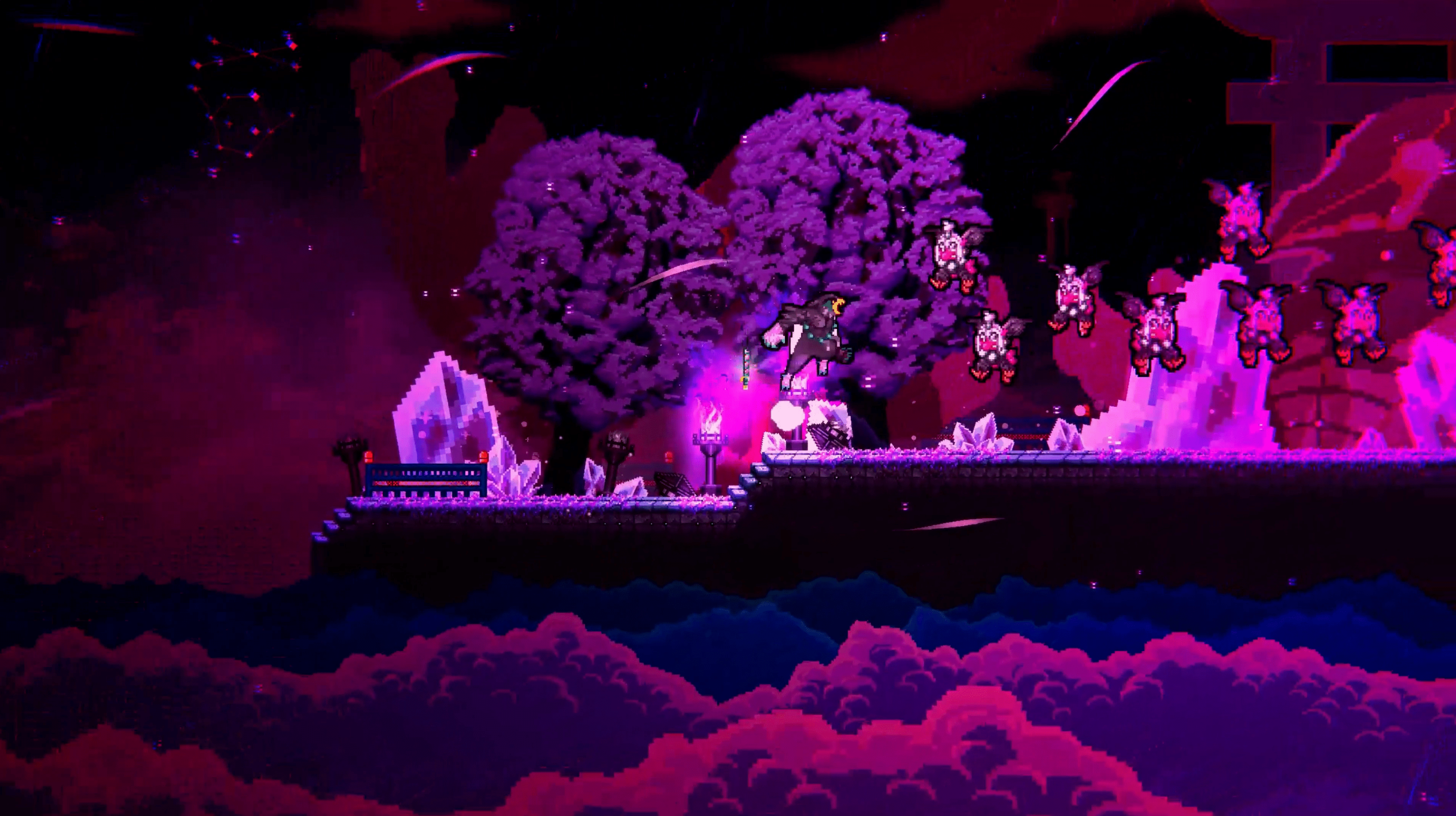
Where Atomic Owl begins to clip its own wings is in its core gameplay loop. The game brands itself as a roguelite, meaning you drop into stages, gather Meza currency, collect random power-ups, and head back to a persistent base camp to upgrade your health and damage upon inevitable defeat.
However, the level generation feels far too rigid for a roguelite. Instead of distinct, procedurally varied layouts that demand adaptation, you frequently find yourself running through the exact same level configurations time and again. Because the enemy placements and platform hazards stay largely static, the experience can shift from a thrilling challenge to a repetitive, predictable chore after a few failed runs.
Precision vs. Friction
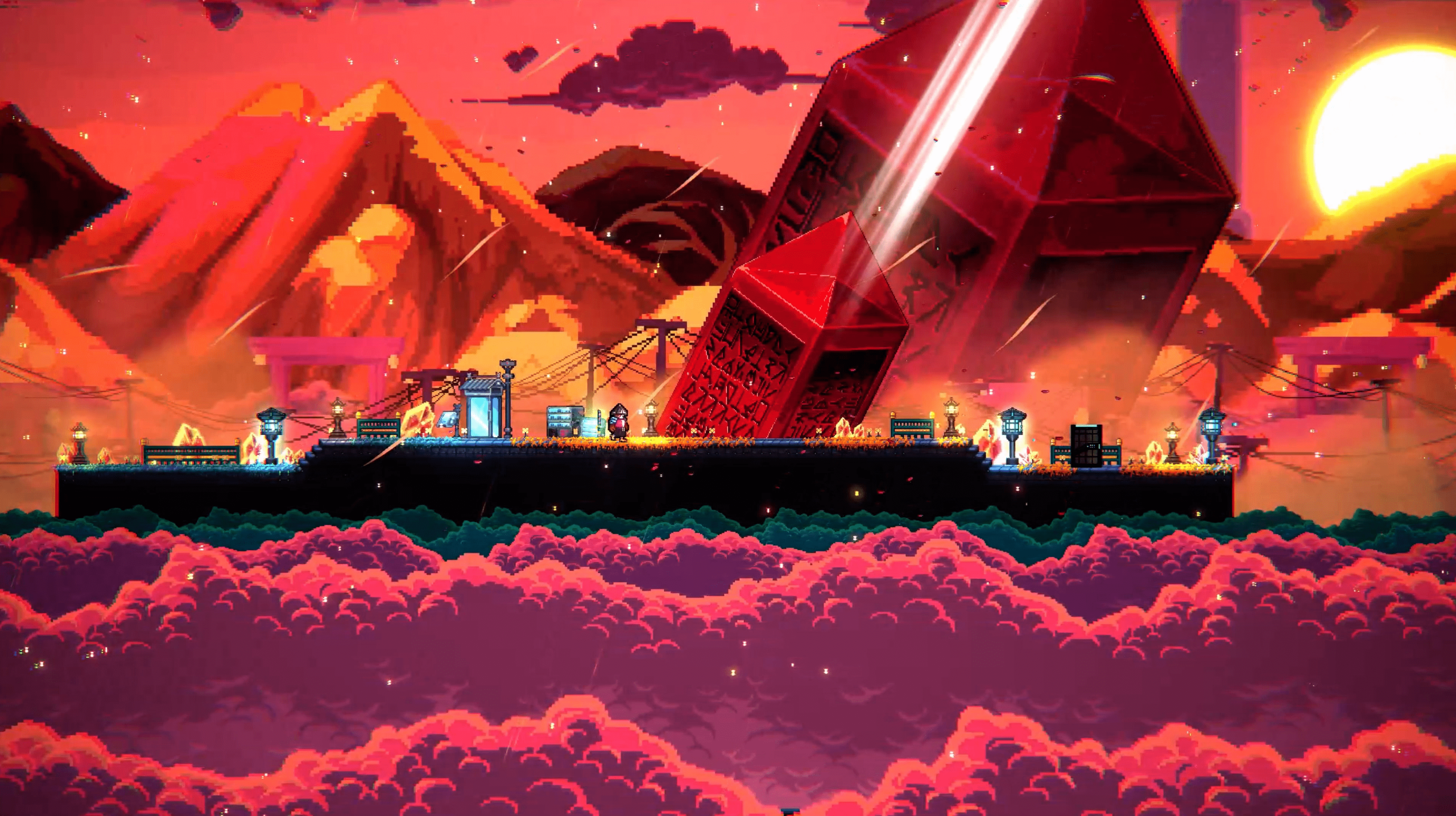
The combat and movement require a level of precision that the controls don’t always afford. While basic running and wall-bouncing are snappy, the directional dashing feels clunky. Hidalgo frequently struggles to grab ledges or overshoots tight platforms, sending you plummeting to an agonizing death simply because a micro-input failed to register cleanly.
The spacing of threats is similarly uneven. You will occasionally sprint through empty, quiet stretches of a level, only to suddenly hit a crowded bottleneck where enemies and projectiles are bundled together unceremoniously. Interestingly, the game shines brightest in its hidden Virtual Nest Rooms, dedicated, standalone platforming challenges set to guest-composer tracks. These tightly designed gauntlets prove that the developmental bones of an exceptional precision platformer are absolutely here; they just get bogged down by the broader roguelite scaffolding.
Final Thoughts
Atomic Owl is a visually stunning, aurally immaculate tribute to 16-bit action games. If you can overlook clunky platforming physics and a repetitive loop, Hidalgo’s 5-hour campaign is a stylish romp worth a look—but it doesn’t quite achieve top-tier indie status.