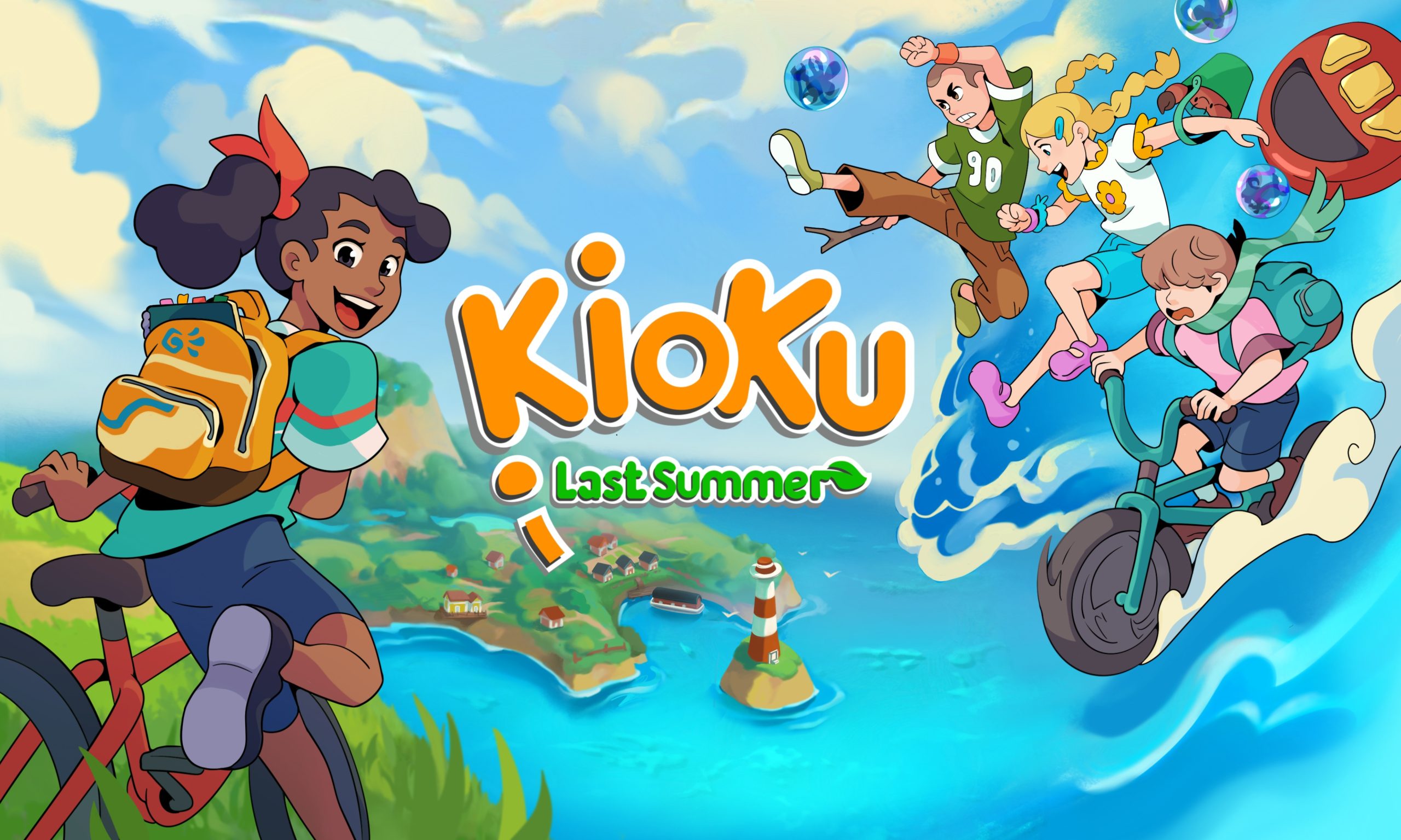
Kioku: Last Summer is a heartfelt, deeply nostalgic 3D adventure game developed by Norwegian indie studio Lugn Games and published by Assemble Entertainment. Stepping into the shoes of Asti, a wide-eyed young girl who has just moved to the remote, fictional island of Kioku with her father, players are treated to a charming slice-of-life experience that captures the bittersweet magic of youth. Set over the course of one unforgettable vacation, the game cleverly mirrors the slow-paced, exploratory nature of childhood, delivering a deeply cozy escape.
Developer: Lugn Games
Publisher: Assemble Entertainment
Release Date: 28 May 2026
CPU: Intel Core i7 / AMD Equivalent
GPU: Geforce GTX 1060 / AMD Equivalent
RAM: 8 GB
HDD: 10 GB
Review Code Provided
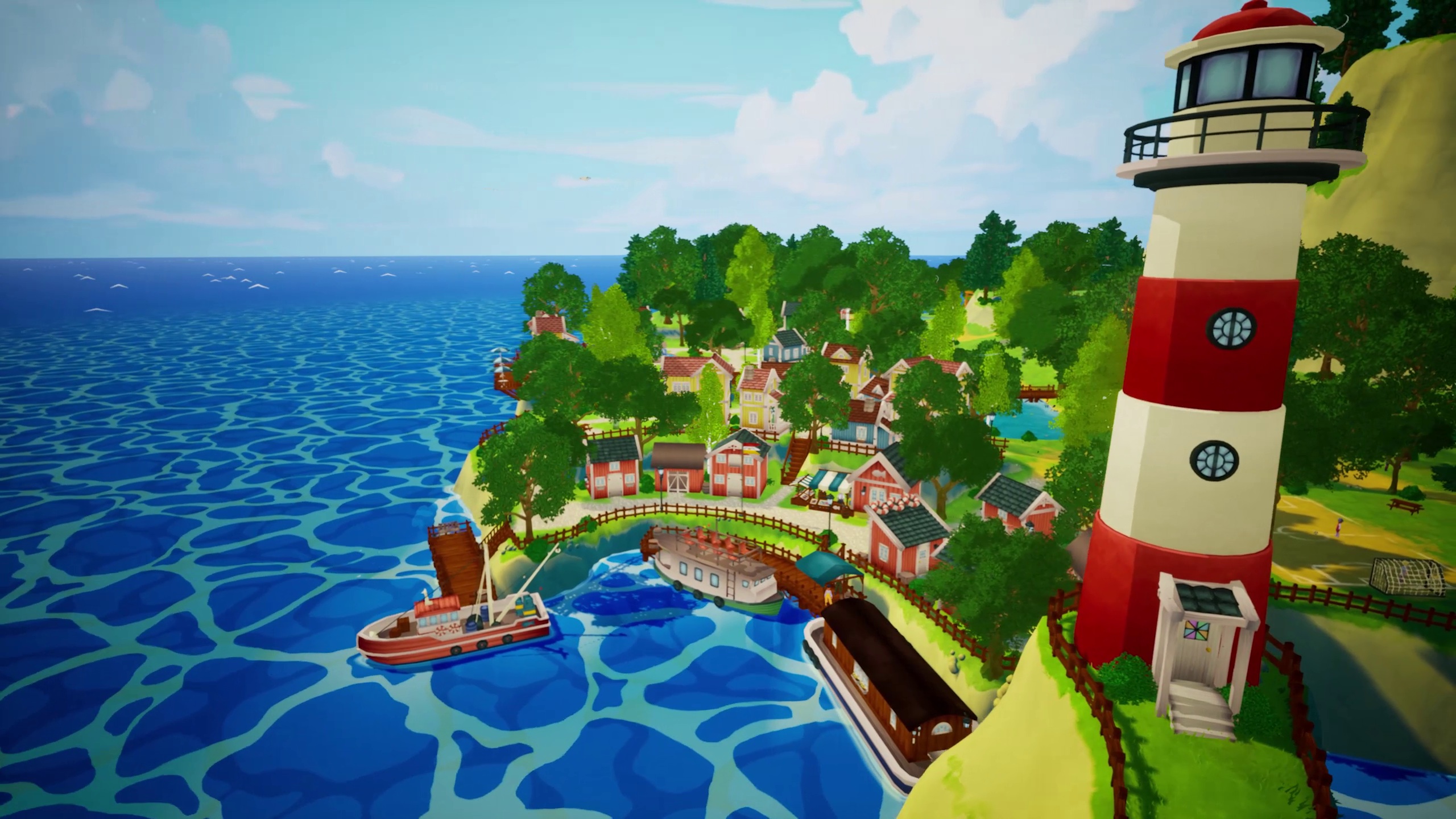
The game’s standout feature is its distinctive Japandi world design, which beautifully blends Japanese rural aesthetics with a 90s-era Scandinavian small-town atmosphere. Visually, Kioku is a colorful paradise brimming with hand-crafted personality. Players can wander freely from quaint coastal streets and a bustling pier to winding forest trails and the mysterious Mt. Tin.
The progression unfolds day by day, structure-driven yet relaxed, where story quests naturally introduce a memorable cast of local characters. At the emotional center of the narrative is Asti’s gradual integration into a local trio of friends—the anxious Ton, the free-spirited Lyra, and the headstrong Bo—capturing the authentic friction, laughter, and self-discovery of growing up.
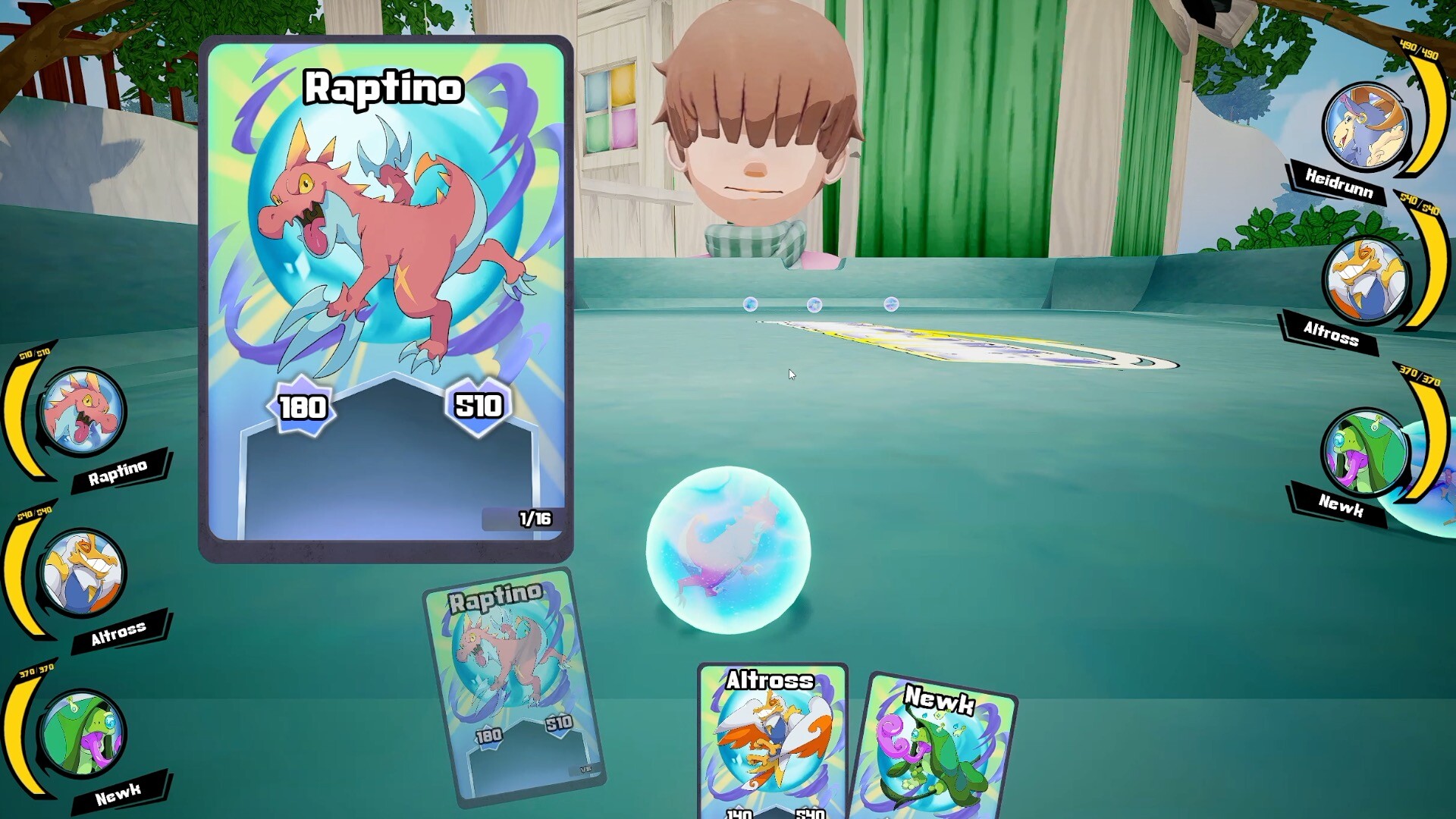
Beyond simple exploration, the island is packed with delightful, collectible-driven minigames that perfectly emulate early-2000s schoolyard obsessions. Chief among these is Marubi, a marble-and-card battling game inspired by classics like Pokémon and Beyblade. Players crack open packs, customize teams of unique marble monsters, and challenge local kids to light strategy matches.
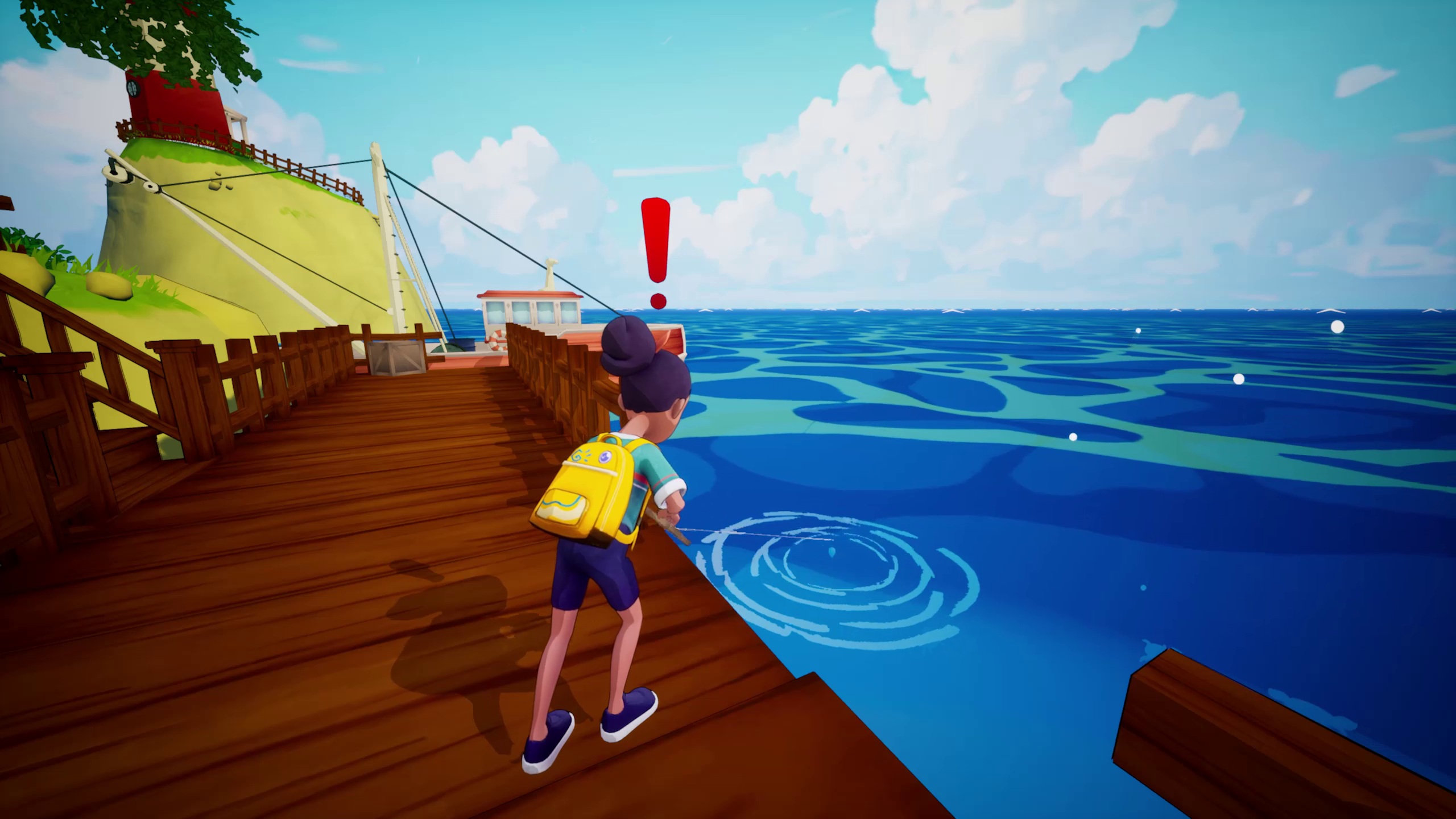
For a change of pace, there is also a relaxing crab fishing mechanic, allowing Asti to track rare variants or trade mysterious Crab Pots to help the local fisherman. Whether you are actively solving neighborhood mysteries or sneaking out with friends for a morning of scrumping apples from the local farm, the gameplay heavily rewards curiosity over rigid, traditional objectives.
While the pacing and atmosphere are immaculate, Kioku: Last Summer is not without minor rough edges. Some platforming segments can occasionally feel slightly floaty, and a few minor day-one launch bugs, like unexpected environment collision geometry can temporarily disrupt the immersion.
However, these small technical hiccups are easily overshadowed by the sheer amount of heart poured into the experience. The audio design deserves special praise, mixing serene nature soundscapes with hilarious, subtle details like black metal faintly blasting from a specific NPC’s headphones during otherwise serious dialogue.
Final Thoughts
Kioku: Last Summer succeeds because it treats the small, mundane objects of childhood as if they were the entire world. It evokes the mechanical charm of Boku no Natsuyasumi and the whimsical wonder of Studio Ghibli, making it an absolute must-play for fans of cozy, narrative-driven indies. If you are looking for a gentle, nostalgic experience that reminds you what it felt like to have endless time and an open horizon, Asti’s summer adventure on PC is well worth your time.