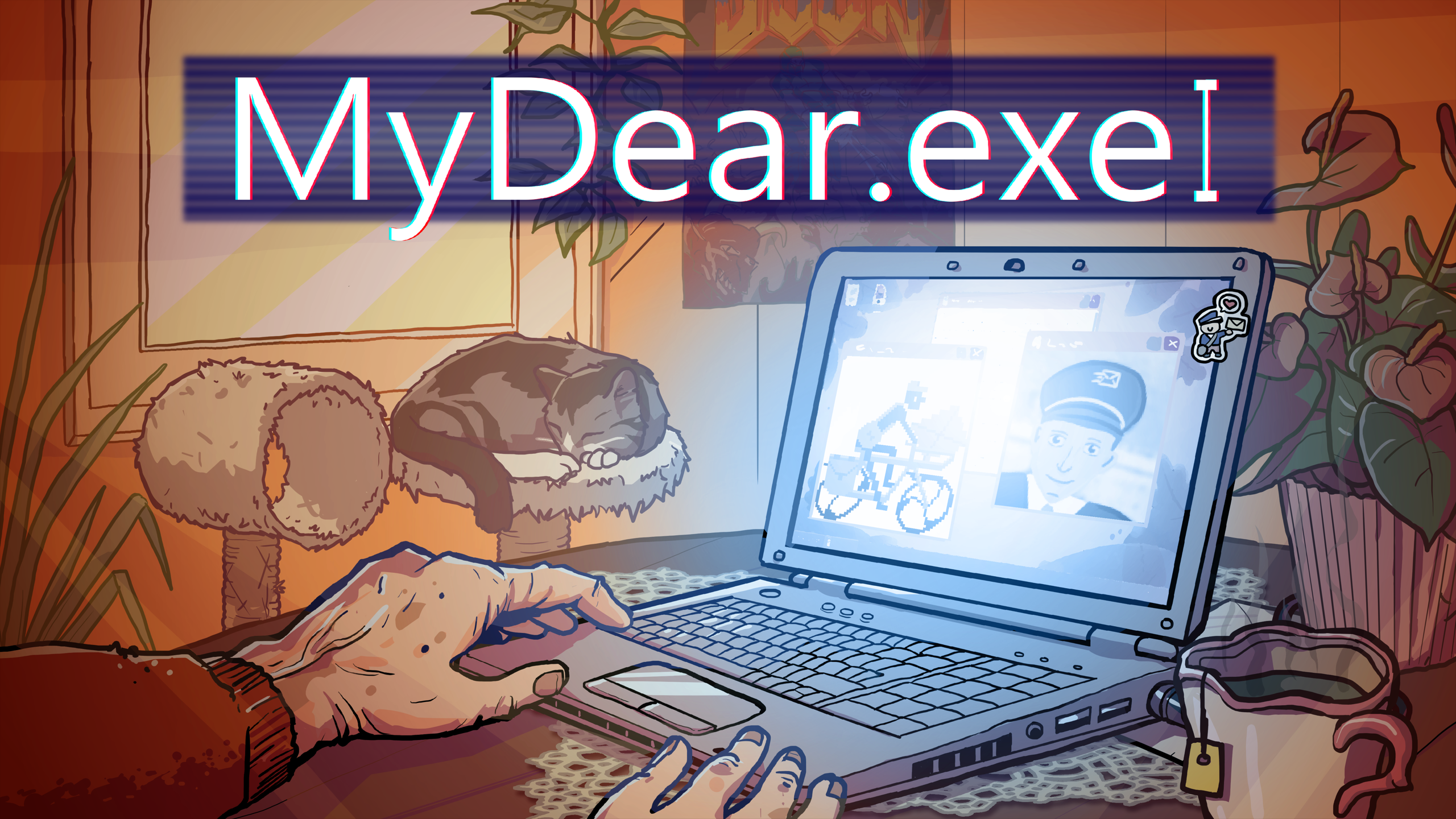
There is a quiet, disarming charm to MyDear.exe, a cozy narrative puzzle game from Falling Leaves Studio and ClemiSoft that turns the humble desktop directory into an intimate scrapbook. Rather than dropping you into a sprawling open world or a high-stakes mystery, the game seats you in front of an aging family PC. You play as Ellie, booting up a custom executable left behind by her husband, Lucien, to celebrate 57 years of marriage.
Developer: Falling Leaves Studio / ClemiSoft
Publisher: Falling Leaves Studio
Release Date: 2 November 2026
CPU: Intel Core i5 / AMD Equivalent
GPU: Geforce GTX 1060 / AMD Equivalent
RAM: 4 GB
HDD: 1 GB
Review code provided
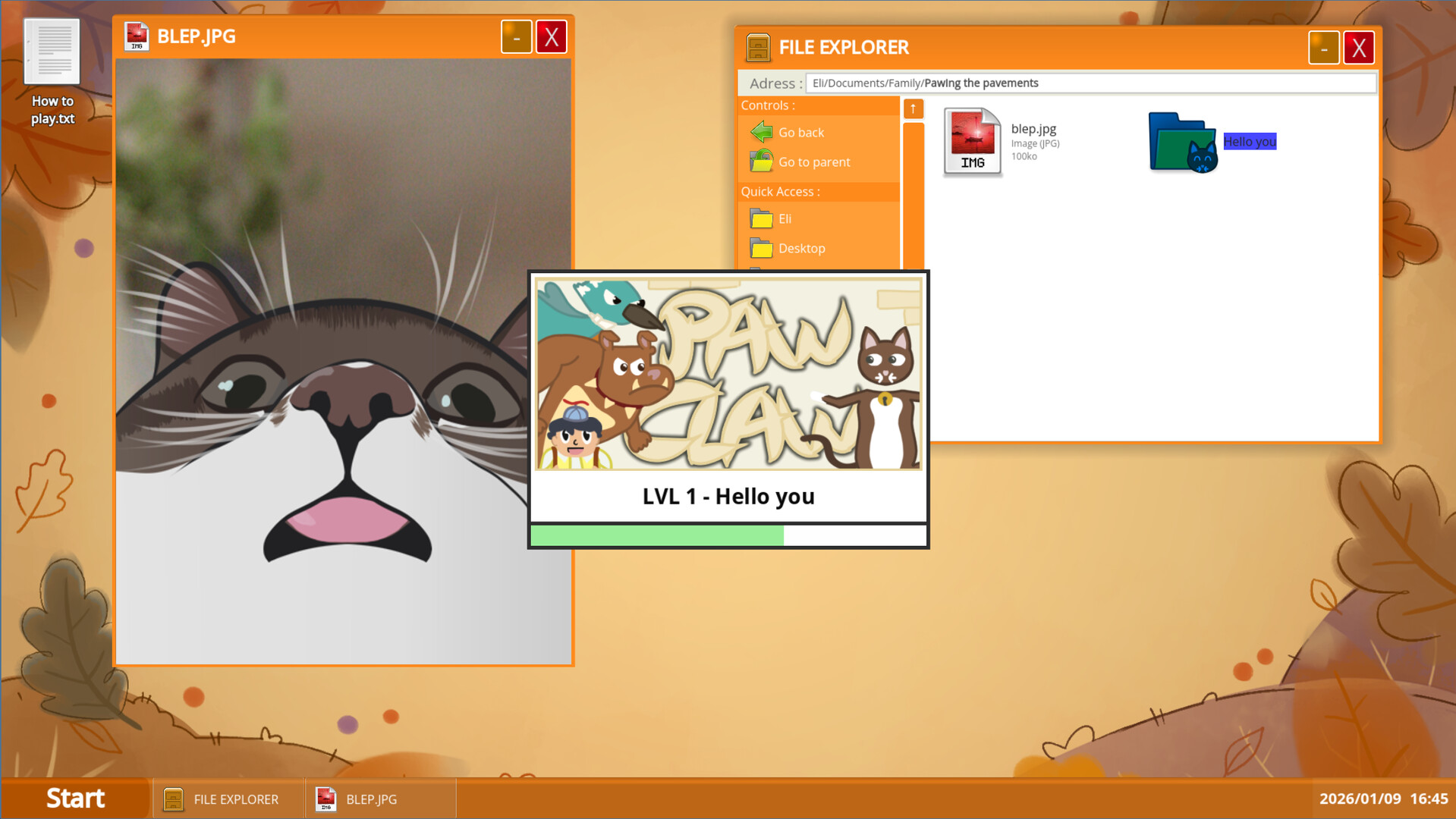
At its core, MyDear.exe belongs to the fake-OS or Foldervania subgenre. Progression comes from clicking through nested directories, opening dusty image files, reading personal notes, and piecing together clues to crack password-protected folders.
Instead of relying on frustrating pixel-hunting or convoluted logic, the puzzles ask you to pay genuine attention to the couple’s shared history—a pet’s name, an anniversary date, or a half-remembered inside joke tucked away in a text document. Keeping a built-in notepad open alongside multiple windows makes cross-referencing clues feel natural and tactile, capturing the nostalgic rhythm of rummaging through an old hard drive
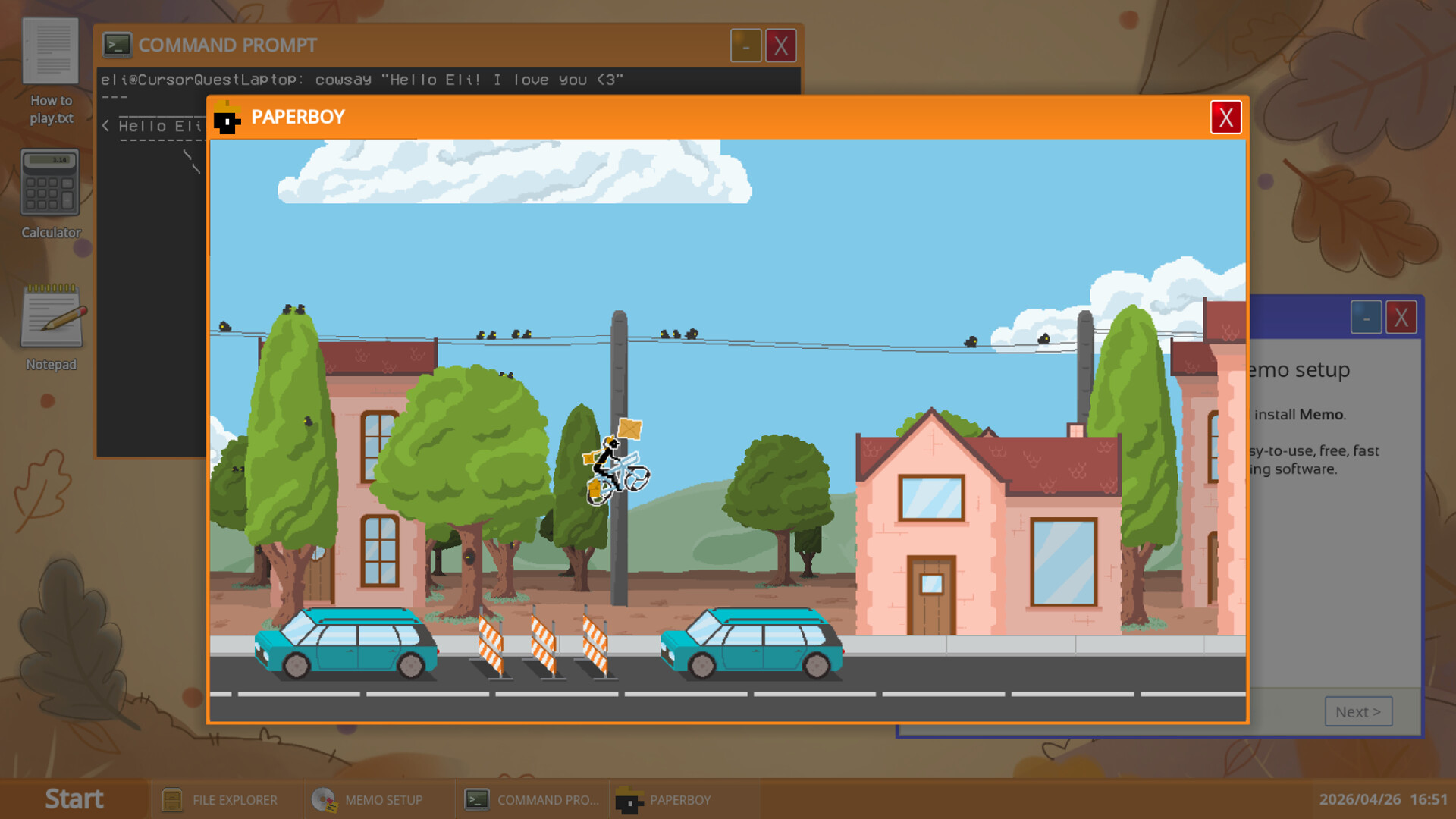
Punctuating the directory exploration are brief, handcrafted retro minigames designed by Lucien as playable nods to their favorite pastimes and beloved pets, such as Clochette the street cat and Hoshisan. Mechanically, these diversions are simple—often relying on just one or two buttons—and they never demand twitch reflexes. Their value lies in how seamlessly they weave gameplay into the narrative, turning small arcade-style vignettes into emotional punctuation marks across decades of domestic life.
Clocking in at roughly two hours, MyDear.exe knows better than to overstay its welcome. The hand-drawn 2D art and warm, understated presentation carry an earnest sincerity—aided by the developers’ commitment to entirely human-made art without AI-generated assets.
Final Thoughts
While navigating deep folder trees can occasionally leave you momentarily turned around, and controller or handheld navigation feels noticeably clunkier than a traditional mouse and keyboard, those minor friction points rarely break the spell. It is an unpretentious, deeply affectionate afternoon experience that leaves you smiling long after you shut down the virtual desktop.