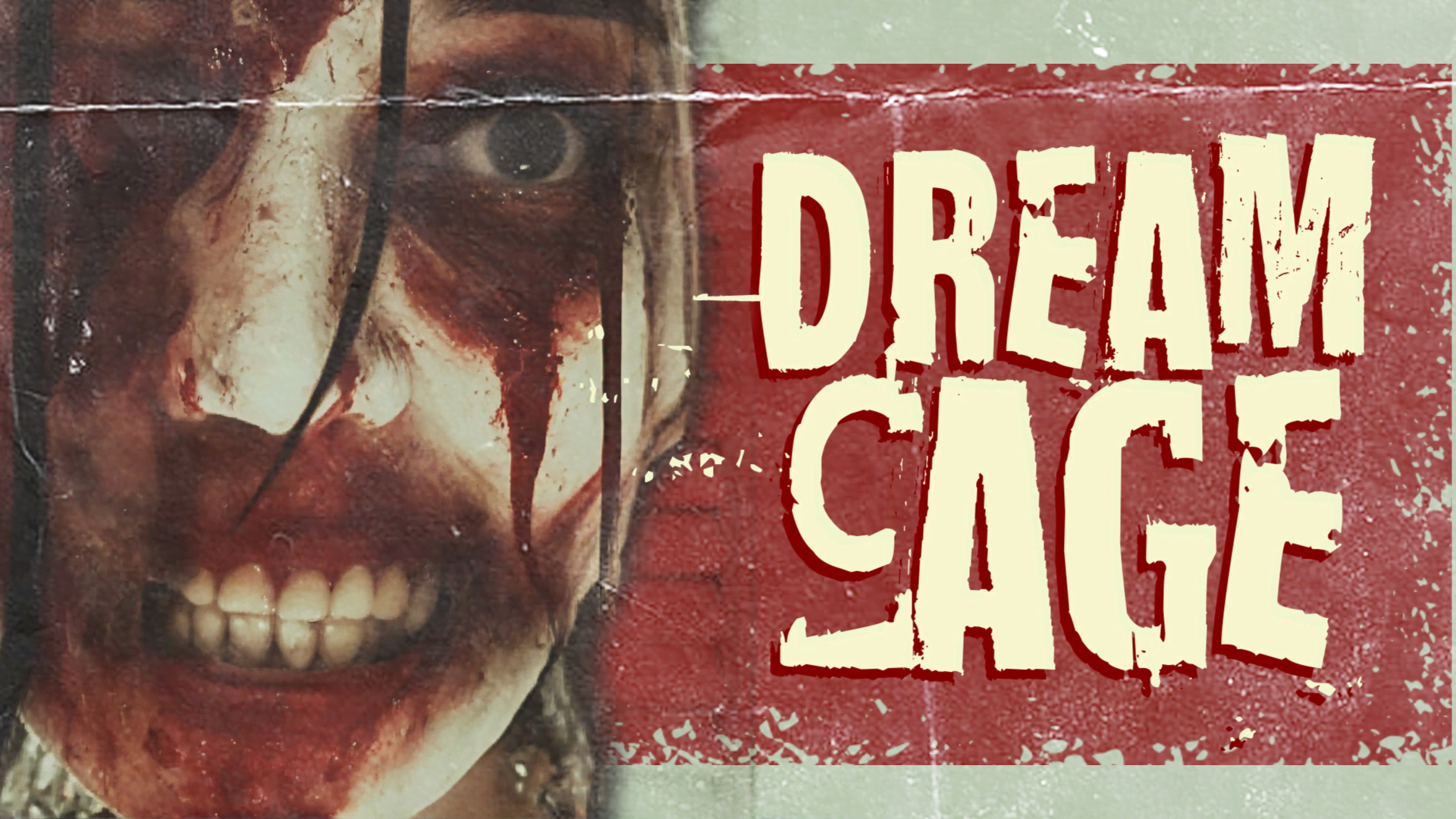
Dream Cage arrives on PlayStation 5 aiming to carve out a niche in the psychological anomaly-hunting genre, blending domestic dread with the disorientation of memory loss and sleep paralysis. You step into the shoes of Robert, an aging protagonist navigating five distinct nights across shifting eras of his life. To survive each cycle, you must scour a mutating apartment with a camcorder, cataloging at least seven out of ten anomalies before retiring to bed to confront terrifying paralysis sequences. It is a strong premise on paper, but the final execution wavers between genuinely unnerving tension and frustrating mechanical friction.
Developer: Hitori De Productions
Publisher: JanduSoft
Release Date: 4 September 2026
Code was provided for review
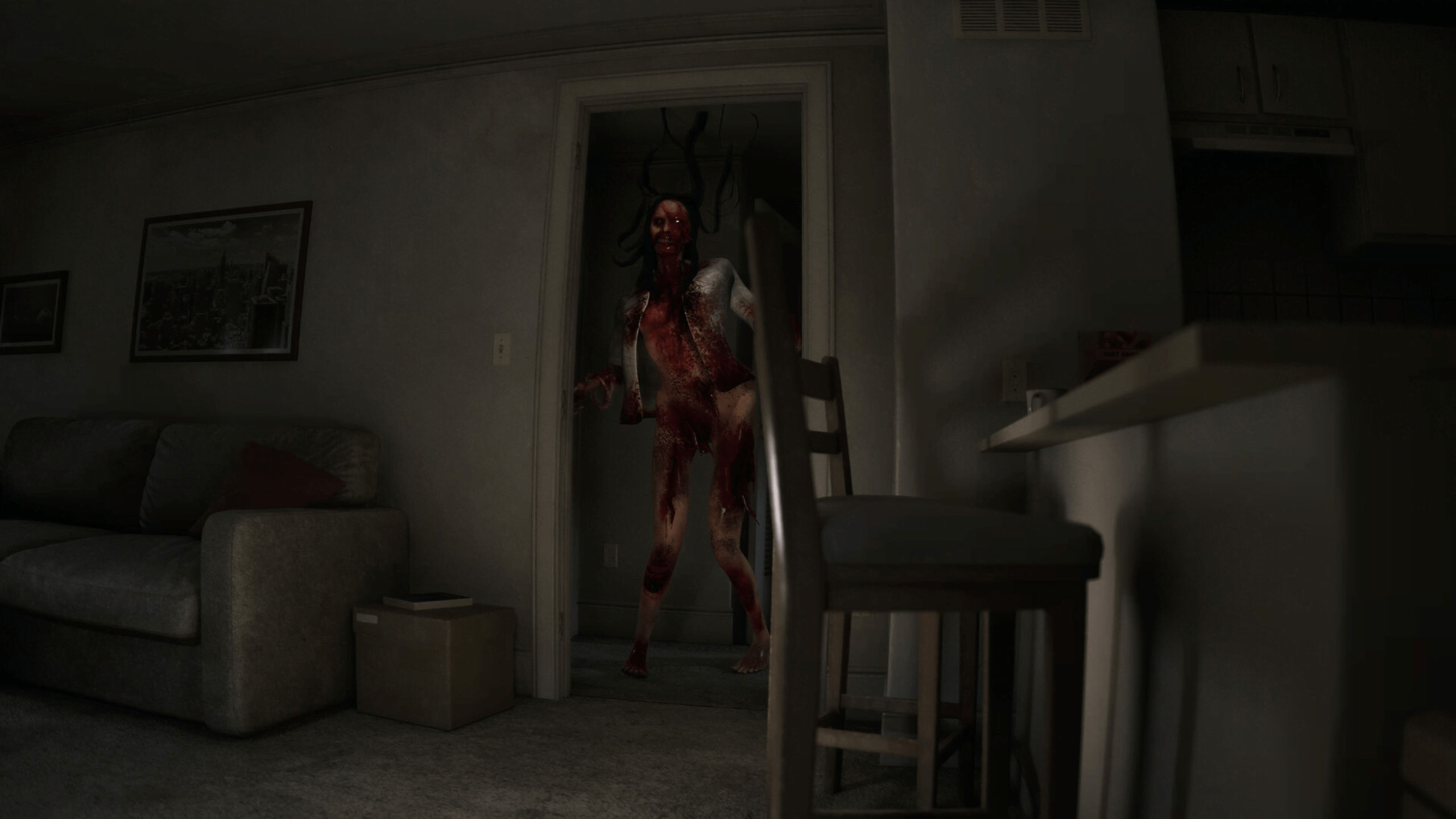
Visually, the domestic setting punches above its weight. Realistic textures, dynamic shadows, and body-cam-adjacent lighting transform mundane rooms into suffocating spaces where every corner feels suspect. Coupled with stellar 3D spatial audio, the early hours deliver genuine dread. Distant floorboard groans, subtle taps, and an innovative microphone noise-detection mechanic—which punishes vocal gasps or screams by accelerating your demise—force you to remain dead silent as threats close in.
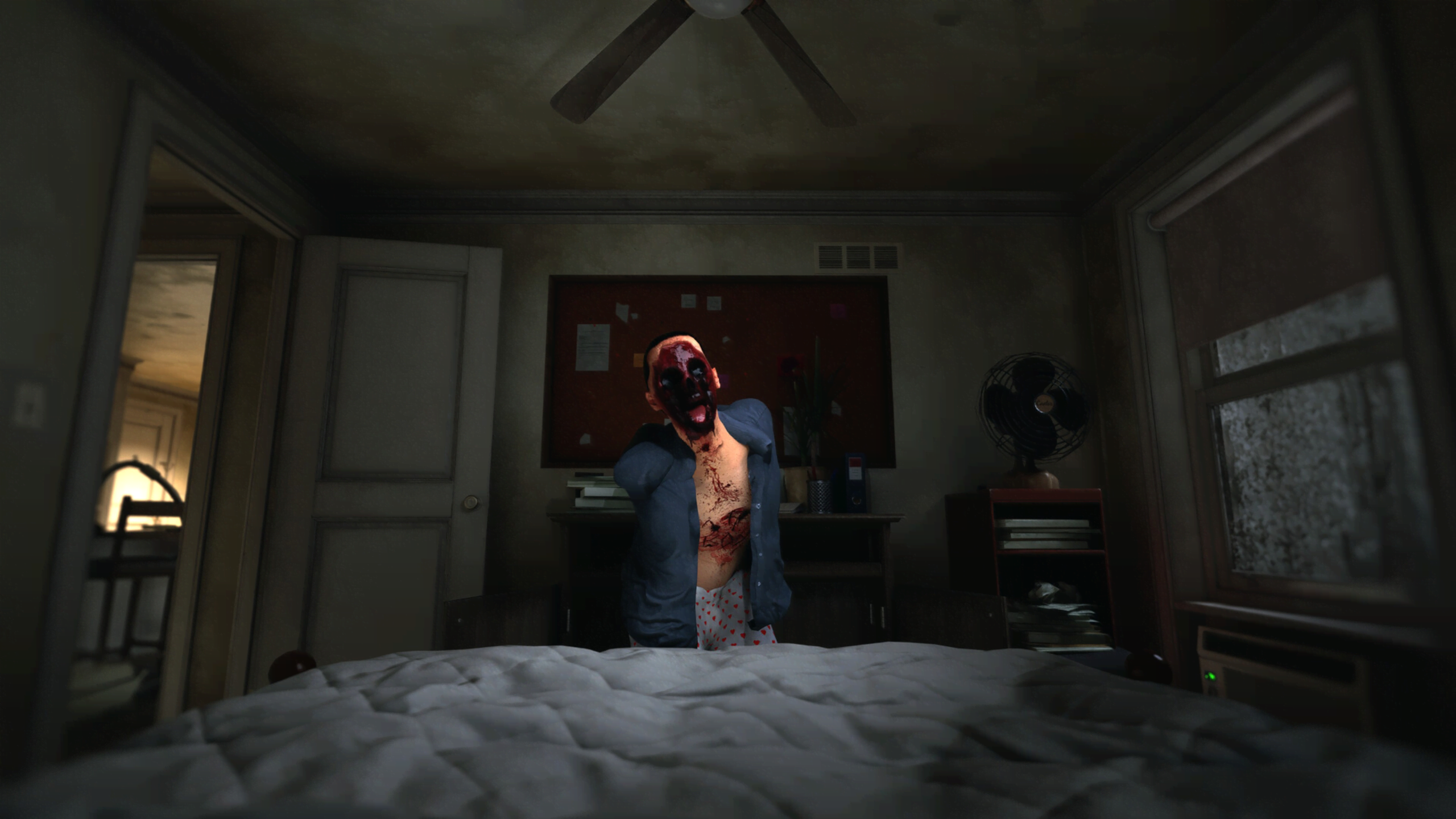
Unfortunately, the game struggles to maintain that fear once its systems become familiar. The core gameplay loop frequently bogs down in tedious item management. Camcorder batteries drain rapidly, and sanity levels require constant medication hunting, turning what should be a focused observational horror experience into frantic drawer rummaging. Anomaly detection ranges wildly from obvious supernatural apparitions to microscopic label shifts that force blind scanning. Furthermore, unpredictable entity AI can trigger instant, unavoidable deaths, forcing full-night restarts that strip away horror and replace it with annoyance.
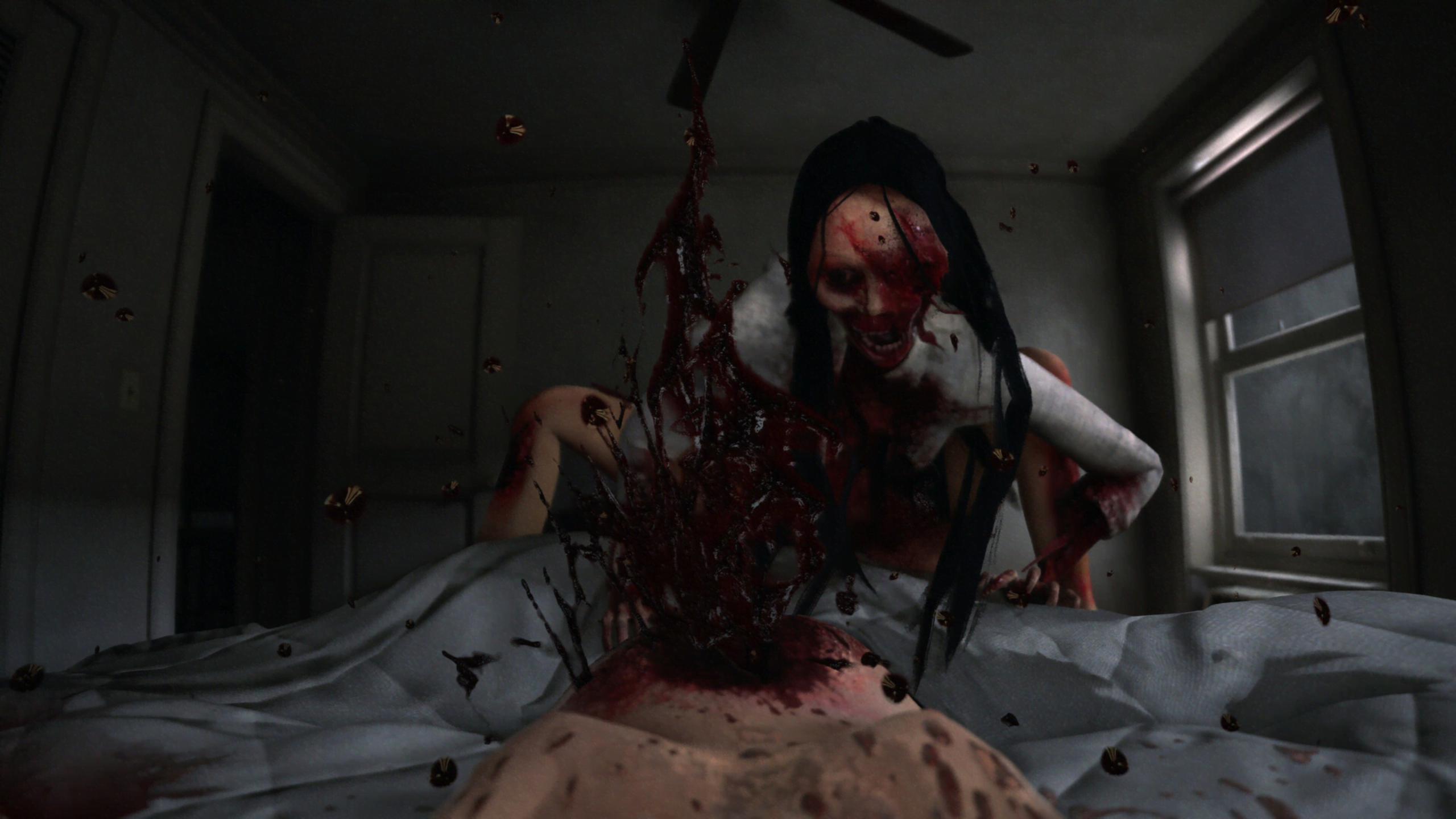
Technical flaws also hold the PS5 release back. Unresponsive inspection prompts and severe UI bugs—such as lore notes permanently locking onto the screen and demanding a complete game reboot—undermine immersion. Add in awkward default controller bindings, stiff character models, and jarring AI-generated decorative assets scattered across the walls, and the overall polish feels compromised.
Final Thoughts
Clocking in at roughly two to three hours with two possible endings, Dream Cage offers brief flashes of atmospheric brilliance for dedicated anomaly fans. However, clunky design choices and nagging bugs prevent it from becoming the psychological standout it strives to be.