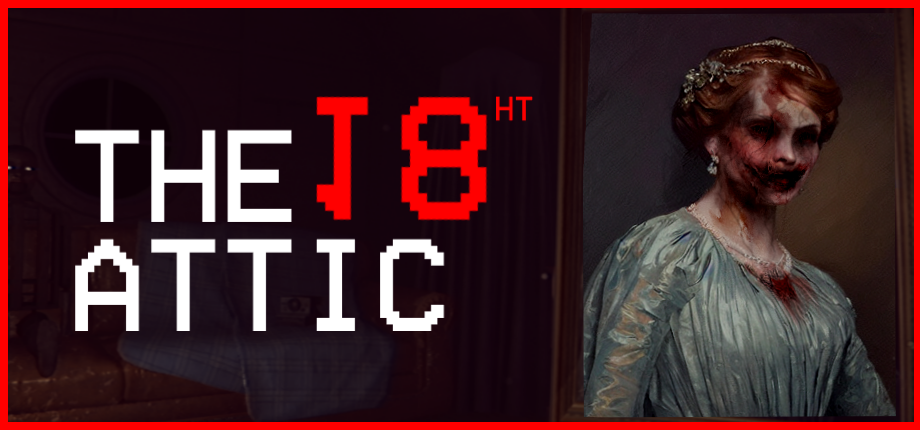
Atmosphere is a notoriously difficult thing to bottle. Many horror games rely on jump scares or hyper-realistic gore to elicit a reaction, but The 18th Attic takes a different, more surgical approach. It leans into the lo-fi aesthetic reminiscent of the PS1 era to create a psychological thriller that feels less like a game and more like a recovered nightmare.
Publisher: Steelkrill Studio
Developer: Steelkrill Studio
Release Date: 23 January 2026
CPU: Intel Core I5 / AMD Equivalent
GPU: Geforce GTX 1060 / AMD Equivalent
RAM: 8 GB
HDD: 2 GB
Preview code was provided for coverage.
The Premise: Unpacking the Past
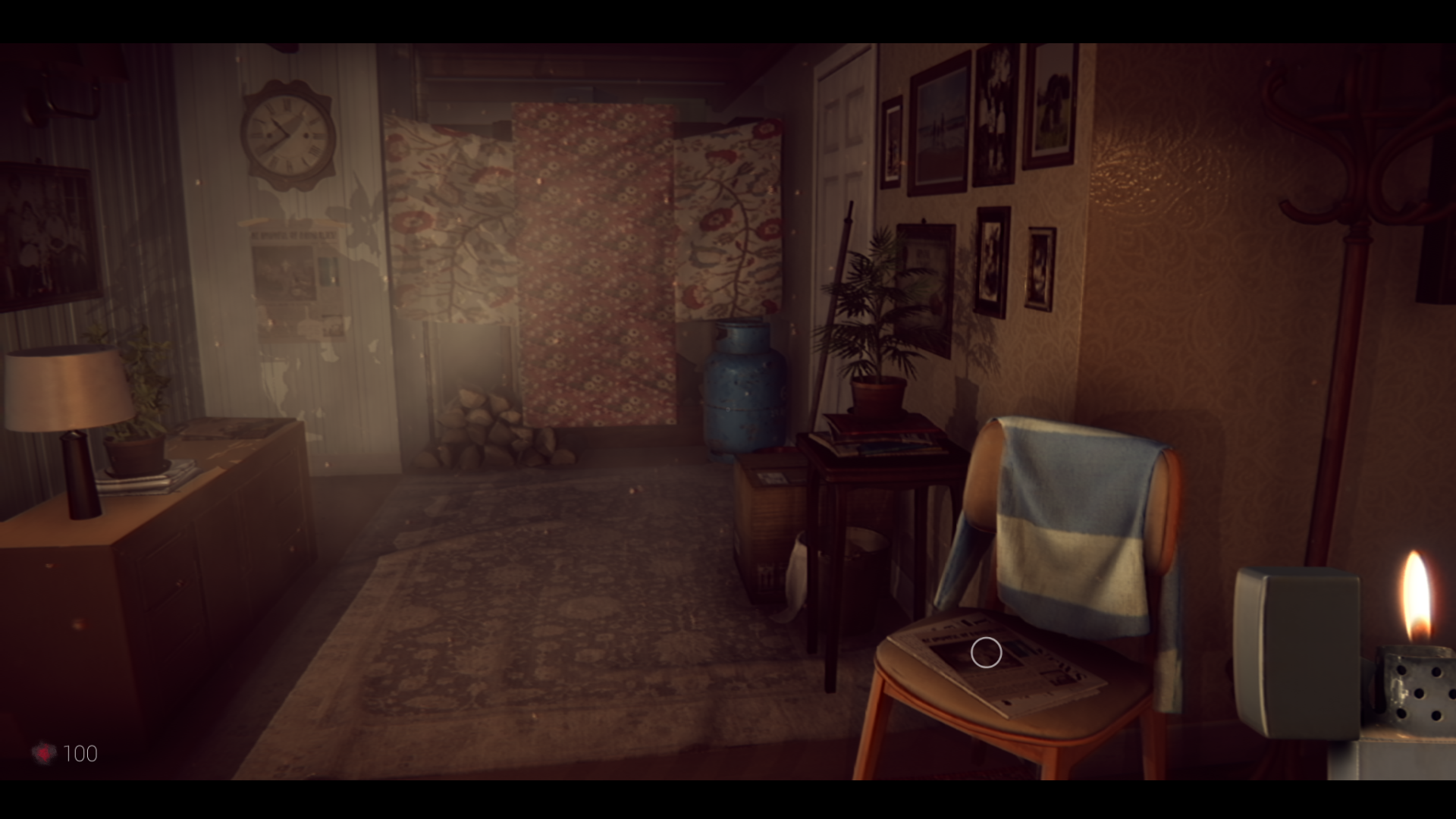
The game places you in the role of a protagonist returning to a childhood home to clear out an attic. It’s a trope as old as the genre itself, but the execution here is what sets it apart. As you sift through boxes, the act of cleaning becomes a narrative device. Each item isn’t just junk; it’s a trigger for a fragmented memory.
The 18th Attic excels at environmental storytelling. You aren’t fed a script; you are fed a feeling. The creak of the floorboards and the way the shadows stretch across the low-resolution textures create a sense of persistent unease. You feel watched, not by a monster in a closet, but by the weight of the history within the walls.
Aesthetics and Audio: The Power of Less
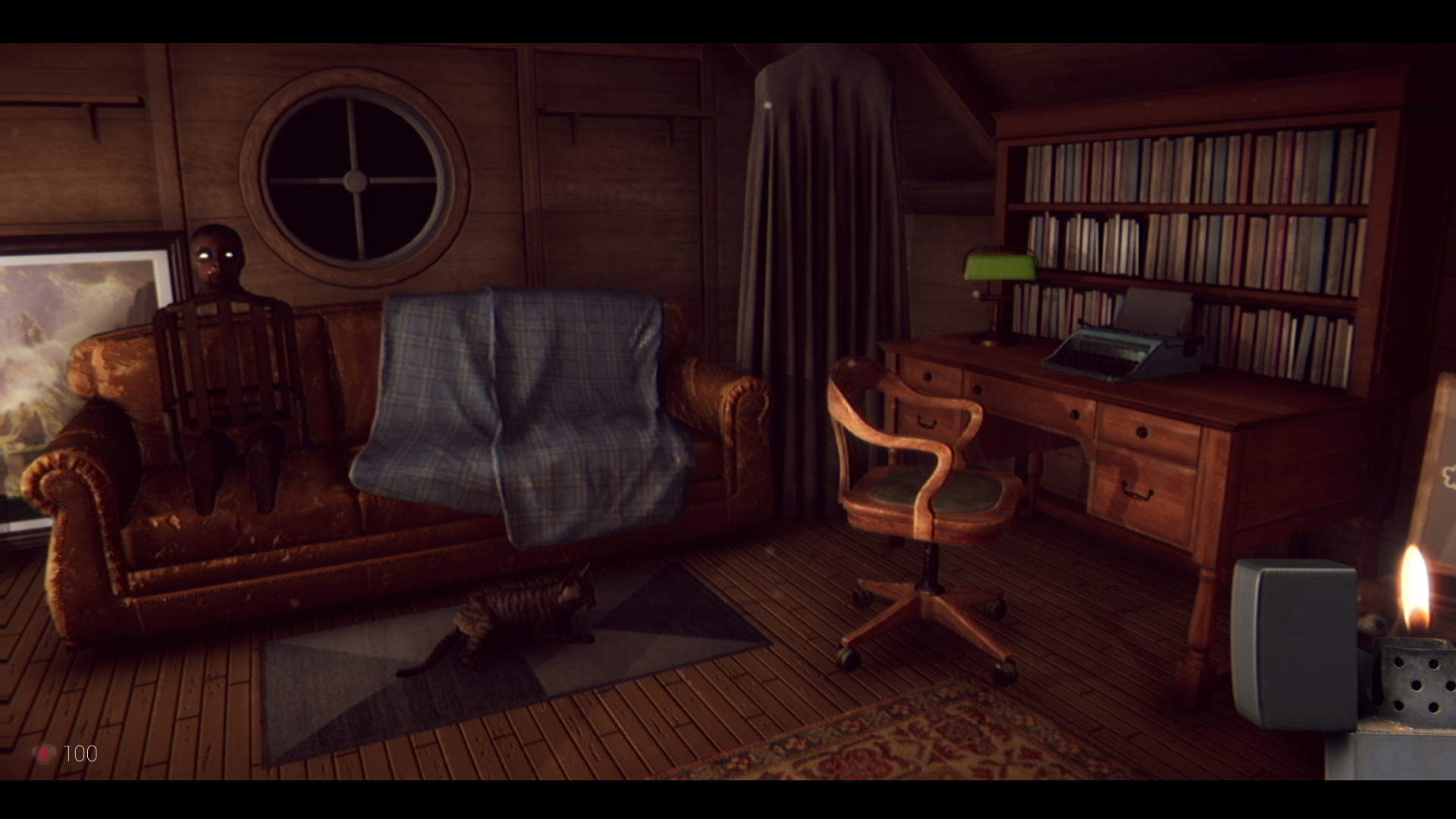
The visual style uses a jagged, pixelated charm that forces the player’s imagination to fill in the blanks. In horror, what you don’t see is often scarier than what you do, and the “crunchy” graphics of this title exploit that perfectly.
-
Lighting: The game uses a limited light palette that makes every corner feel cavernous.
-
Sound Design: This is the game’s secret weapon. The minimalist score—composed of discordant hums and sudden, sharp silences—is incredibly effective at maintaining tension.
Gameplay: Slow-Burn Tension
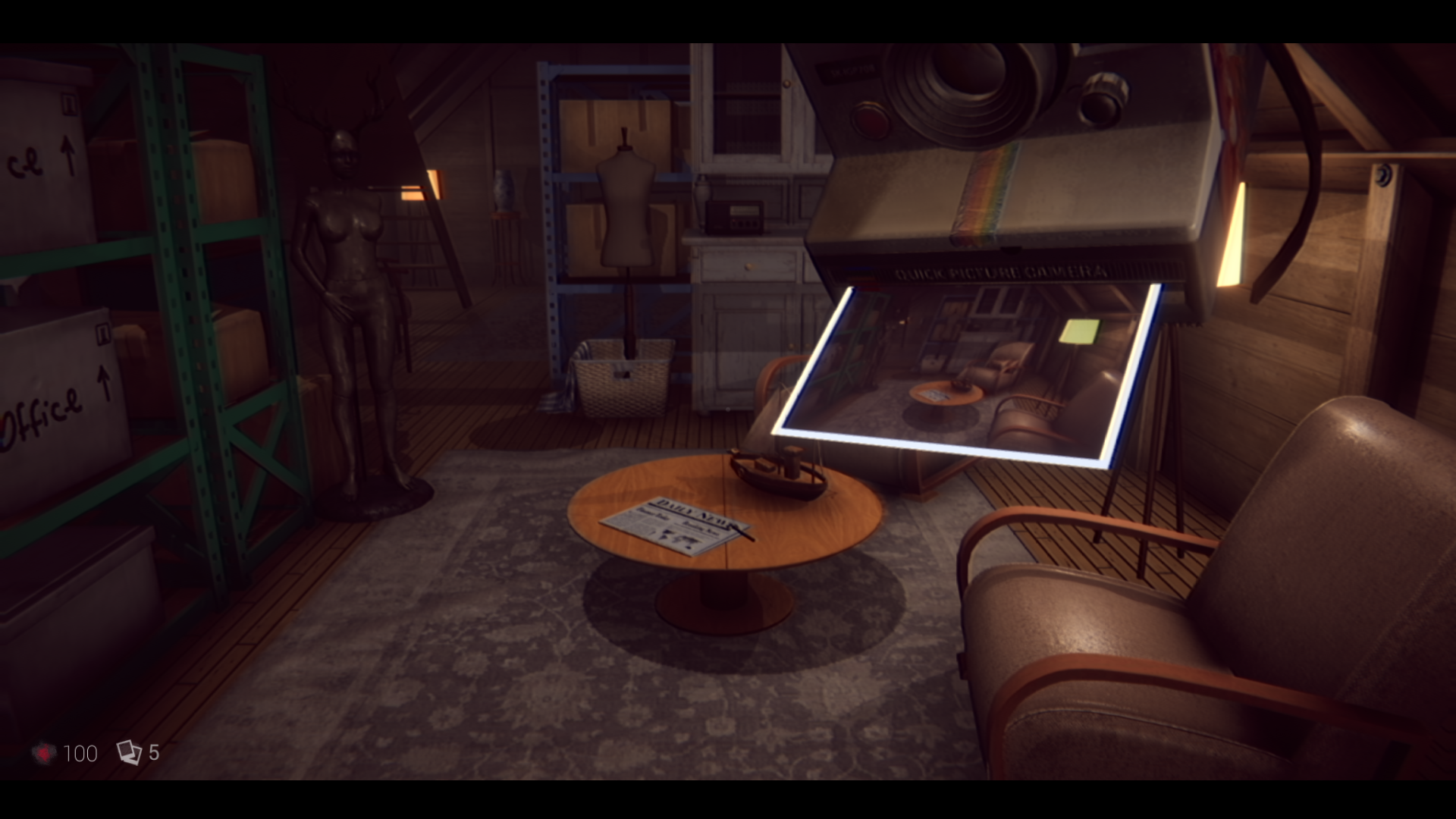
If you are looking for high-octane combat or complex crafting trees, you won’t find them here. The 18th Attic is a walking simulator in the truest sense, but it uses that simplicity to focus on pacing. The puzzles are grounded and tactile—finding a key, fixing a projector, or organizing photographs. These mundane tasks ground you in the reality of the house, making the eventual supernatural shifts feel much more intrusive and jarring.
The 18th in the title refers to a specific structural anomaly that I won’t spoil, but suffice it to say, the game plays masterfully with liminal spaces. Just when you think you understand the layout of the attic, the geometry begins to betray you.
Final Thoughts
The 18th Attic is a masterclass in indie horror efficiency. It respects the player’s intelligence and their fears, opting for a slow-burning dread that lingers long after the credits roll. It’s a short experience—usually clocking in under two hours—but it packs more emotional and atmospheric punch than many AAA horror titles.